
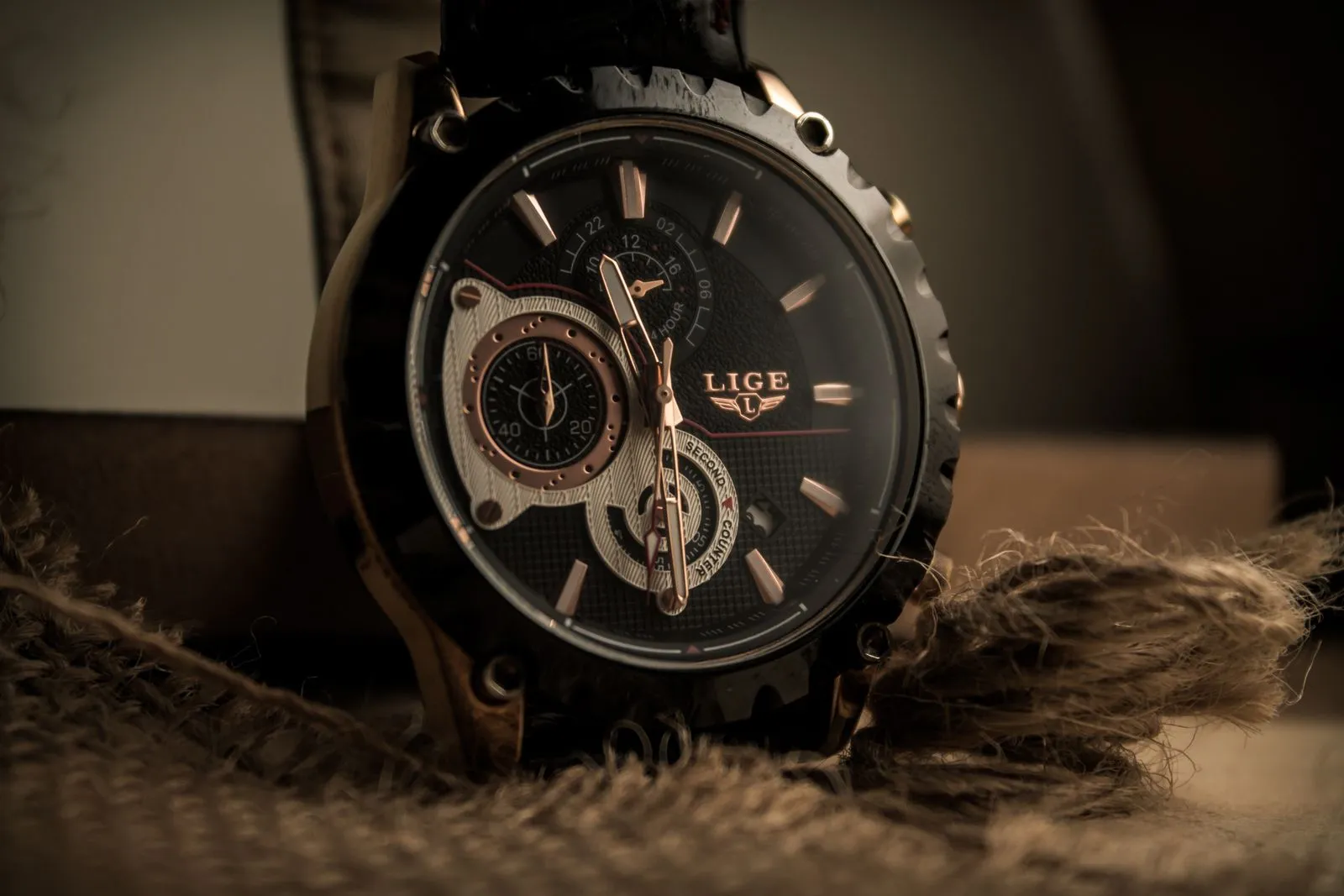
A chronograph combines timekeeping with a stopwatch function, so it has more controls and moving parts than a basic watch. A few careful habits can help protect it from moisture, impact, dirt, and unnecessary wear. Your watch’s manual should guide you on water resistance and operating the pushers, since designs vary. Use these practical steps for everyday handling, cleaning, and storage, and learn which changes are reasons to ask a watch professional for an inspection.
Handle It With Care
Use the crown and chronograph pushers with a light touch. Unless the manufacturer says otherwise, avoid operating the pushers while the watch is underwater or wet; water can enter through openings around the controls. If the watch has a screw-down crown or pushers, make sure they are secured as directed before exposure to water.
Take the watch off for activities that involve hard knocks, strong vibration, or chemicals. Avoid adjusting the time or date when the manual warns against it, particularly during hours when the date mechanism may be engaged. If you are unsure how to use a feature, check the instructions rather than forcing a control.
Clean It Gently
Wipe the case and crystal with a clean, soft cloth to remove fingerprints and everyday dust. For a watch confirmed to be water-resistant, you can usually use a slightly damp cloth on the exterior, then dry it thoroughly. Do not assume water resistance is permanent; seals can age, and past repairs or impacts may affect them.
Keep cleaners, solvents, perfumes, and household sprays away from the watch. They can damage finishes, gaskets, or strap materials. Clean a metal bracelet with a soft brush only when the watch’s water resistance and condition make that safe. For leather or fabric straps, follow the maker’s care guidance and avoid soaking them.
Store It Safely
When you are not wearing the watch, place it in a clean, dry location away from direct sunlight, heaters, and strong magnetic sources. A lined watch box or soft pouch can help prevent scratches, but keep the watch separate from jewelry and loose objects that may rub against it.
Store the watch with the crown in its normal position and avoid leaving it in a damp bathroom or a hot car. If it is an automatic model, follow the manufacturer’s guidance for winding and storage. A watch winder is not essential for every automatic chronograph, so check whether one suits your specific movement before using it.
Notice Changes Early
Arrange a professional inspection if the chronograph starts, stops, or resets unpredictably; a hand no longer returns to zero; or the watch loses or gains time noticeably. Also watch for a crown or pusher that feels unusually loose, stiff, or difficult to operate. Do not force a control or open the case yourself.
Fog or moisture beneath the crystal needs prompt attention, even if it clears later. Seek service after a hard impact, visible damage, or a sudden change in winding or battery behavior. Routine service needs vary by movement, use, and manufacturer guidance, so keep any service records and ask a qualified watchmaker what schedule fits your watch.
Gentle handling, careful cleaning, and dry, secure storage help reduce avoidable wear on a chronograph. Pay attention to changes in timing, controls, or moisture rather than waiting for a small issue to worsen. If your watch shows a warning sign or you are unsure how to care for it, contact Houston Chronograph Repair to discuss an inspection.